Top-Rated Women’s Running Shoes: How to Choose
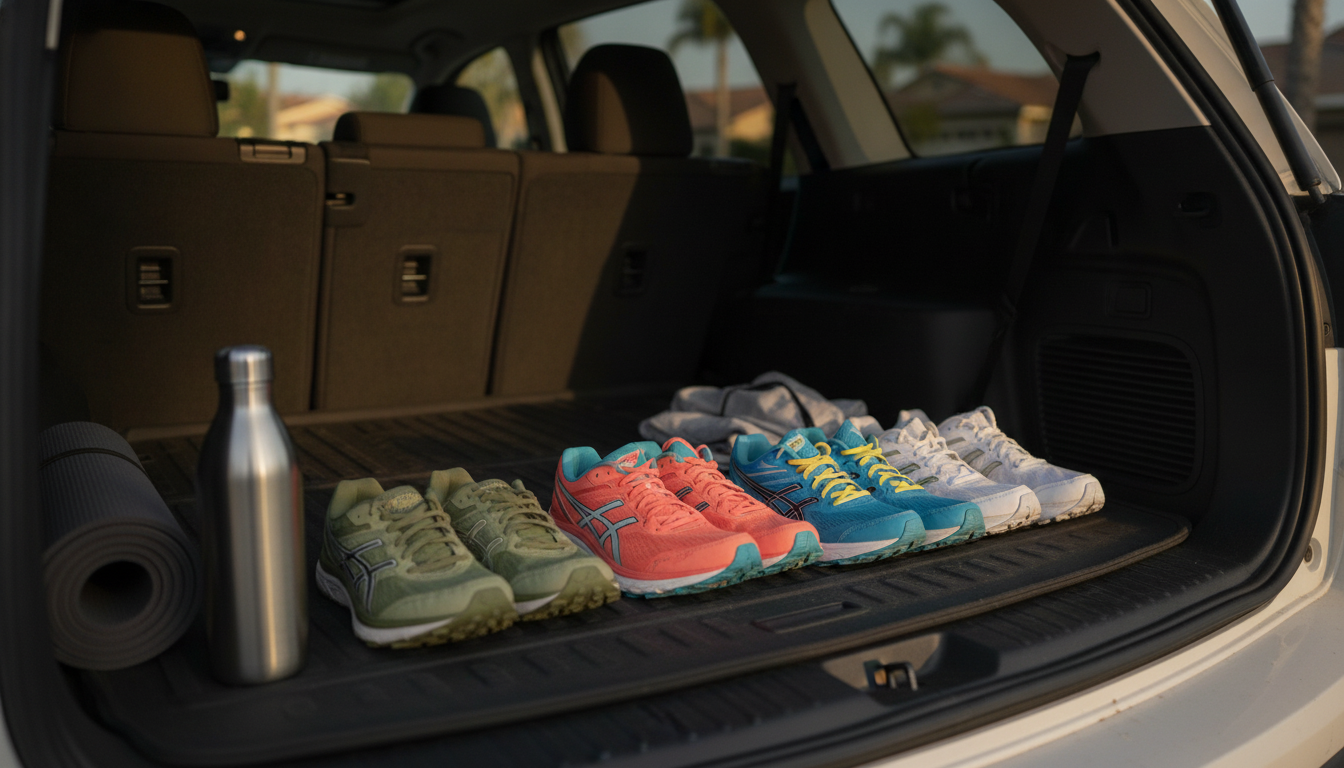
What is the highest rated women’s running shoe?
There isn’t a single women’s running shoe that stays “highest rated” everywhere, all the time. Ratings shift based on runner needs (road vs. trail, neutral vs. stability), fit (narrow or wide), and what reviewers value most (soft cushioning, responsiveness, durability, or lightweight speed). The most consistently top-rated options tend to come from trusted performance lines that have earned strong reviews across many updates—often models known for comfort over long miles, reliable traction, and fewer hot spots.
The best way to identify the current highest rated women’s running shoe is to match today’s top-reviewed models to how you run. For example, a daily trainer that feels “perfect” for easy miles may score lower for runners seeking race-day snap, while a plated shoe that gets rave reviews for speed may be criticized for stability or price.
How to choose the “highest rated” shoe for your feet
Start with your run type. If most runs are on pavement, look for a road shoe with smooth transitions and enough cushioning for your weekly mileage. If you mix in dirt, gravel, or wet routes, prioritize outsole grip and a more secure upper. Next, consider support: neutral runners typically do well in balanced, flexible designs, while overpronators often rate stability shoes higher because they reduce fatigue and keep alignment steady.
Finally, pay attention to fit details that strongly influence ratings: toe-box room (especially for swelling on longer runs), heel lockdown (to prevent rubbing), and available widths. A shoe can be “best overall” yet score poorly for someone who needs a wide fit or a higher-volume upper.
Where to find the current top picks
For a curated, up-to-date breakdown of standout women’s running shoes—including what makes certain models rise to the top—visit the main guide here: https://dazzlewhisper.shop/what-is-the-highest-rated-women-s-running-shoe/. It’s the fastest way to compare leading options and choose a pair that earns “highest rated” status for your specific runs.
FAQ
How do I know if I need a stability running shoe?
If your ankles roll inward noticeably when you run, you regularly wear down the inside edge of your shoes, or you feel knee/hip discomfort that improves with added support, a stability model may be a better match. A quick gait check at a running store can also confirm whether extra guidance helps.






Leave a comment