V-Waist Quick-Dry High-Waist Leggings for Women
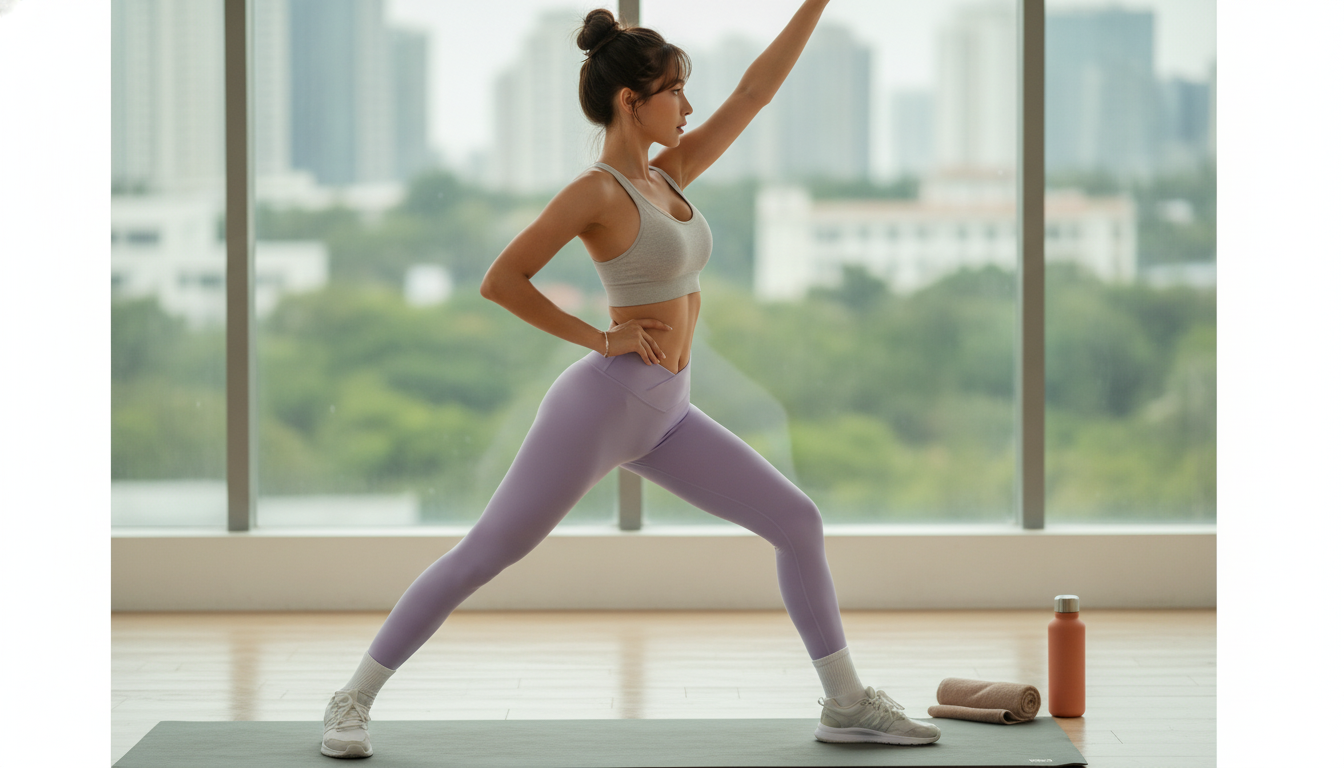
High-waist cross-front leggings are a go-to for training days when support, coverage, and a smooth fit matter as much as comfort. Quick-dry fabric helps manage sweat during yoga flows, gym sessions, and everyday movement—while a secure waistband can reduce rolling and distractions mid-workout.
What makes cross-waist leggings different
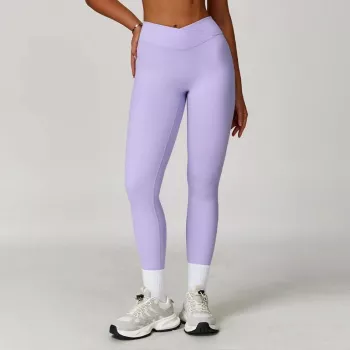
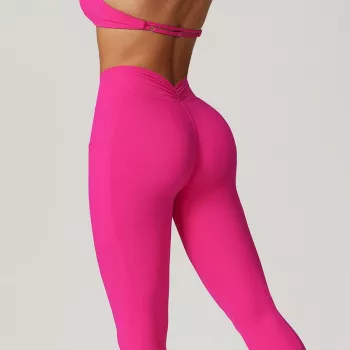
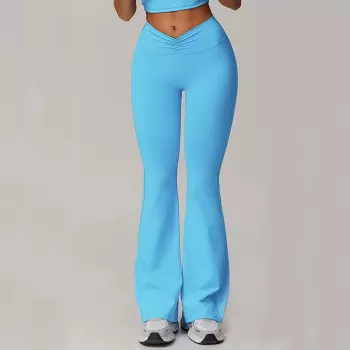
Cross-waist (also called “V-waist”) leggings stand out because the waistband isn’t just a straight band across the top. The angled overlap creates a shaped front that can feel more anchored and visually streamlined.
- Cross-front waistband design that visually shapes the waistline and can feel more anchored than a straight band
- High-rise coverage intended to stay put through bends, squats, and stretches
- A sleek athleisure look that transitions easily from studio sessions to errands
Quick-dry comfort for yoga and gym sessions
When workouts get sweaty, quick-dry materials can make the “after” feel as comfortable as the session itself. Fabrics designed to dry faster help moisture move away from the skin so you’re not stuck feeling damp on the drive home or while running errands.
- Quick-dry performance helps sweat evaporate faster for a drier feel during and after training
- Breathable construction supports comfort in warm studios, cardio, and strength circuits
- Pairs well with lighter tops or layering pieces without feeling heavy
For general training consistency and health benefits, the CDC’s overview of physical activity basics is a helpful reference point for building a balanced routine.
Fit and support: high waist, coverage, and freedom to move
A good pair of workout leggings should feel like a supportive second skin: secure at the waist, opaque through movement, and flexible enough for deep ranges of motion. High-rise cross-waist styling is especially popular for exercises that involve repeated hinging and core engagement.
- High-waist rise designed to provide core coverage for forward folds, lunges, and floor work
- Stretch-focused fit to support a full range of motion (deep squats, hip openers, dynamic transitions)
- Cross-waist shape can distribute pressure more comfortably across the front than a single straight seam for some wearers
If the waistband feels “tight in one spot,” try a quick fit reset: smooth the fabric evenly around the hips and check that the cross-front sits flat (no twisting). Small adjustments can make a big difference in comfort.
Where these leggings perform best
Cross-waist, quick-dry leggings are designed for versatility—ideal when you want one pair that can handle a full training week without feeling overly specialized.
- Yoga and Pilates: supportive waist for mat work, transitions, and inversions
- Gym strength training: stable feel during squats, deadlifts, and machine work
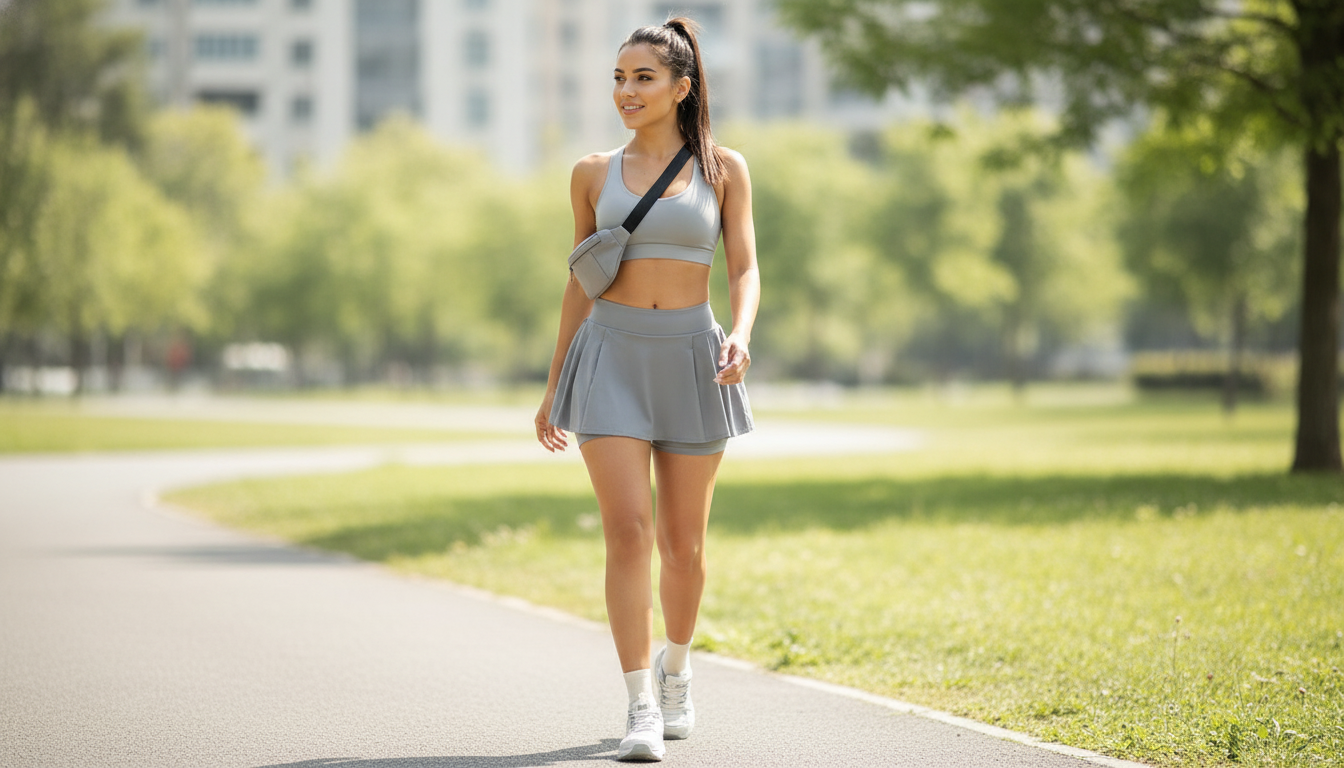
- Cardio and walking: quick-dry comfort for steady movement and warm-weather sessions
- Travel and everyday wear: polished athleisure look with a secure waistband
Featured picks to build an easy active outfit
To put together a simple, repeatable rotation, start with one reliable legging and add tops and warm-weather options that layer effortlessly.
- High Waist Cross Workout Leggings for Women – Quick-Dry Yoga & Gym Tights ($33.51)
- Desigual Women’s Black Floral T-Shirt ($32.94)
- Sexy Solid Color One-Piece Swimsuit for Women ($33.51)
Sizing and fit check (before the first workout)
Leggings that look great standing still can feel totally different once you start moving. A quick at-home test helps confirm the waistband stays put and the fabric stays opaque.
- Waistband should feel snug but not restrictive; deep breaths should be comfortable
- Do a quick movement test: squat, lunge, and forward fold to check rolling or slipping
- If between sizes, choose based on preferred compression level (more compression: smaller; more comfort: larger)
| Check | What to do | Good sign | Adjust if |
|---|---|---|---|
| Waist stay-put test | Do 5 squats + 10-second plank | No rolling or sliding | Size up/down or look for stronger waistband support |
| Sheerness check | Bend forward in bright light | Fabric remains opaque | Choose a more supportive/opaque option |
| Comfort check | Wear for 10 minutes indoors | No pinching at the cross seam | Adjust size or choose a softer waistband style |
Care tips to keep quick-dry fabric performing
Quick-dry performance depends on keeping the fibers and finishes as clean and uncoated as possible. A few small laundry habits can help leggings stay breathable, stretchy, and fresher between washes.
For practical hygiene guidance around sweat and odor, the American Academy of Dermatology Association shares clear tips on how to prevent and treat body odor.
Outfit pairings for a complete active look
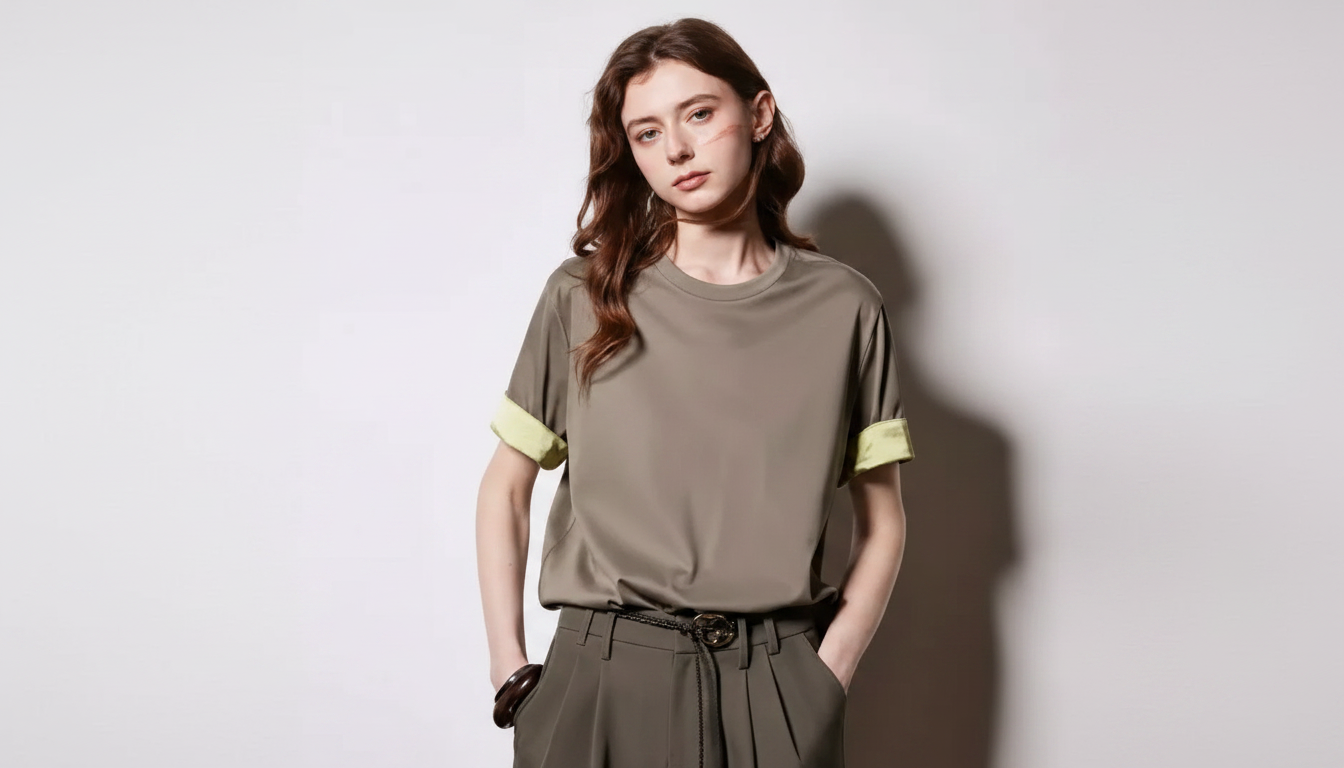
- Studio-ready: leggings + a fitted tee for a clean, minimal silhouette (try the Desigual Women’s Black Floral T-Shirt)
- Warm-weather set: leggings for morning workouts, plus a swim option for pool or beach days (pair with the Sexy Solid Color One-Piece Swimsuit for Women)
- Casual day: leggings + a graphic tee and a light layer for errands and travel
FAQ
Do high-waist cross leggings roll down during workouts?
They’re designed to stay put, but rolling usually comes down to sizing and waistband support. Do a quick squat-and-plank test; if you notice slipping, try adjusting size based on whether you want more compression (smaller) or more comfort (larger).
Are quick-dry leggings good for hot yoga and sweaty gym sessions?
Yes—quick-dry fabrics help moisture move and evaporate faster, which can feel more comfortable in heat. To keep that performance, skip fabric softener and consider a quick rinse after high-sweat workouts.
How should workout leggings fit for strength training versus yoga?
Strength training often feels best with slightly more compression for a stable, secure fit during lifts. Yoga typically benefits from softer stretch and zero pinch at the waistband so you can breathe and move comfortably through long holds and deep folds.






Leave a comment